OpenUp and partners launch DDISA Fund: How the global DDI network is working towards digital democracy for all

OpenUp and partners launched the DDISA Fund in March 2026, offering grants and support to civil society organisations driving digital democracy in Sub-Saharan Africa. Explore examples of projects from the global DDI network.

In March, OpenUp was proud to host the launch of the Digital Democracy Innovation in Sub-Saharan Africa (DDISA) Fund at our offices in Cape Town. The DDISA Fund is a timely initiative that offers both financial and non-financial support to civil society organisations pursuing digital democracy projects in Sub-Saharan Africa, aiming to forward technology that empowers and democratises.

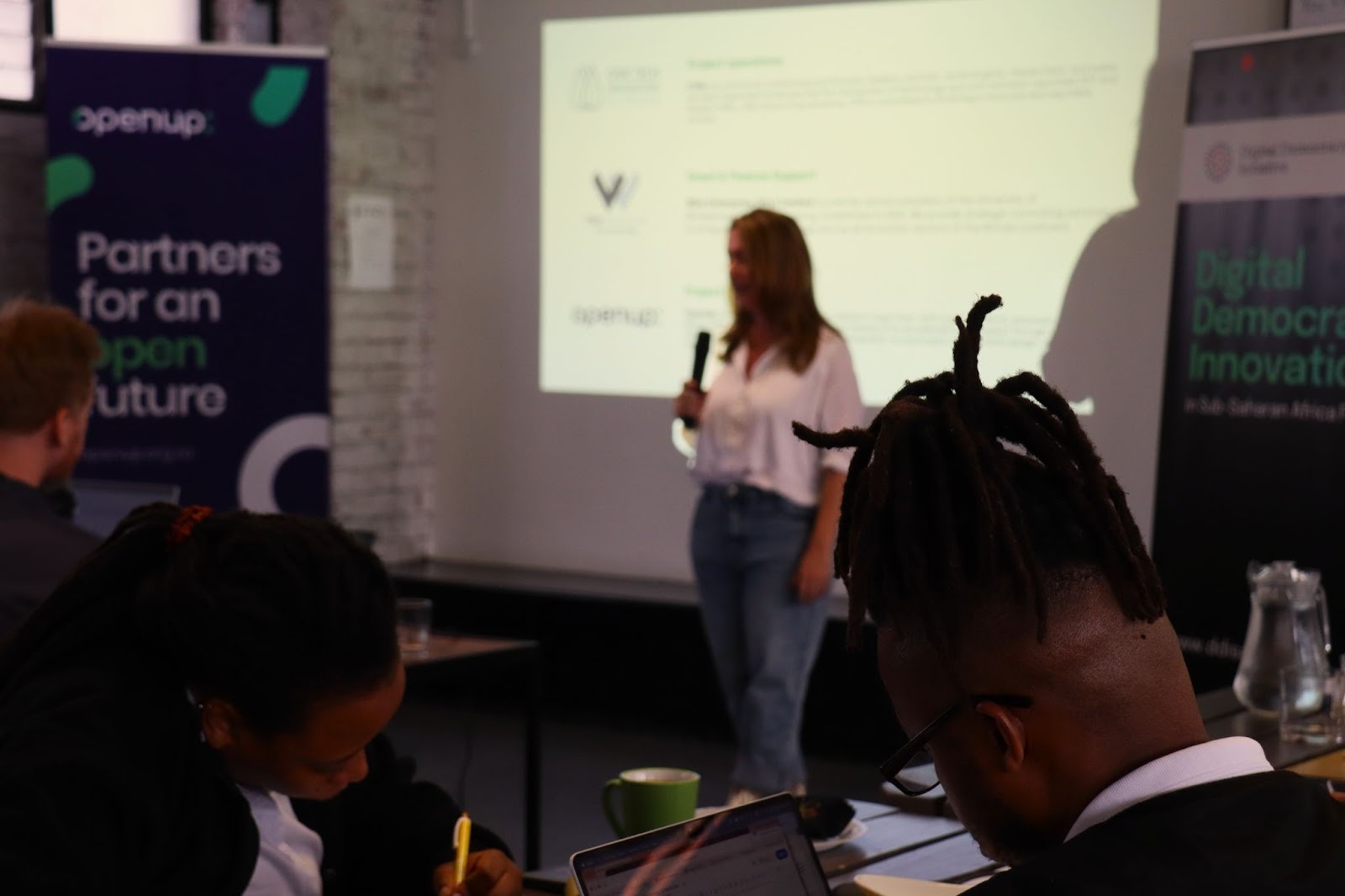
The launch of the DDISA Fund was hosted at Codebridge, OpenUp's Cape Town offices, and featured a comprehensive overview presentation, as well as a collaborative discussion of what the project will entail.

The DDISA Fund includes a variety of financial support for three-month projects, which include:

  • 40 medium grants of R85,000 (about USD 4,700);
  • 60 small grants of R45,000 (about USD 2,500);
  • funding for subscriptions and events; and
  • emergency organisational funding.

These forms of financial support are given further leverage through a comprehensive non-financial support mechanism, which comprises data and technological hotdesk support, as well as organisational and community support. By combining the financial and non-financial resourcing, we will be able to provide meaningful acceleration to initiatives, in spite of the constrained time period.

DDISA in context

The DDISA Fund is the Sub-Saharan African arm of CIVICUS' Digital Democracy Initiative (DDI), implemented locally by OpenUp in collaboration with the Civic Tech Innovation Network (CTIN) and Wits Enterprise. The DDI is represented across seven major regions of the globe, including through partners in Latin America and the Middle East and North Africa (MENA).

Applications for the first cohort of the DDISA Fund close on 30 April 2026, after which successful applicants will be onboarded and assisted by the local implementing organisations. The second cohort will be open for applications around June this year.

Examples from Latin America

While the DDISA Fund projects are being set in motion, let’s take a look at some of the projects spearheaded by DemocráTICa – our Latin American sister organisation – as examples of impact from the broader DDI ecosystem.

Democracia Digital

Screenshot from the Democracia Digital website.

Democracia Digital is a think tank based in Lima, Peru, that explores the intersection between technology and democracy in Latin America, and is a specialist organisation within the DemocráTICa network. Peru’s most recent electoral season saw an immense increase in political polarisation stemming from online disinformation and reduced content moderation on major social media platforms.

"Today, we have generative artificial intelligence. We have deep fakes and audio fakes. Any user, any voter, could easily be deceived,” says Elaine Ford, Director of Democracia Digital.

In collaboration with DemocráTICa, the organisation launched a national network aimed at informing and equipping Peru’s 2.5 million first-time voters with the tools to identify and debunk AI-generated disinformation in the next electoral cycle. This network utilises social media channels to raise awareness against the spread of political disinformation, becoming an informative voice within the very spaces where disinformation is likely to flourish.

Fundación Chile Necesita ESI
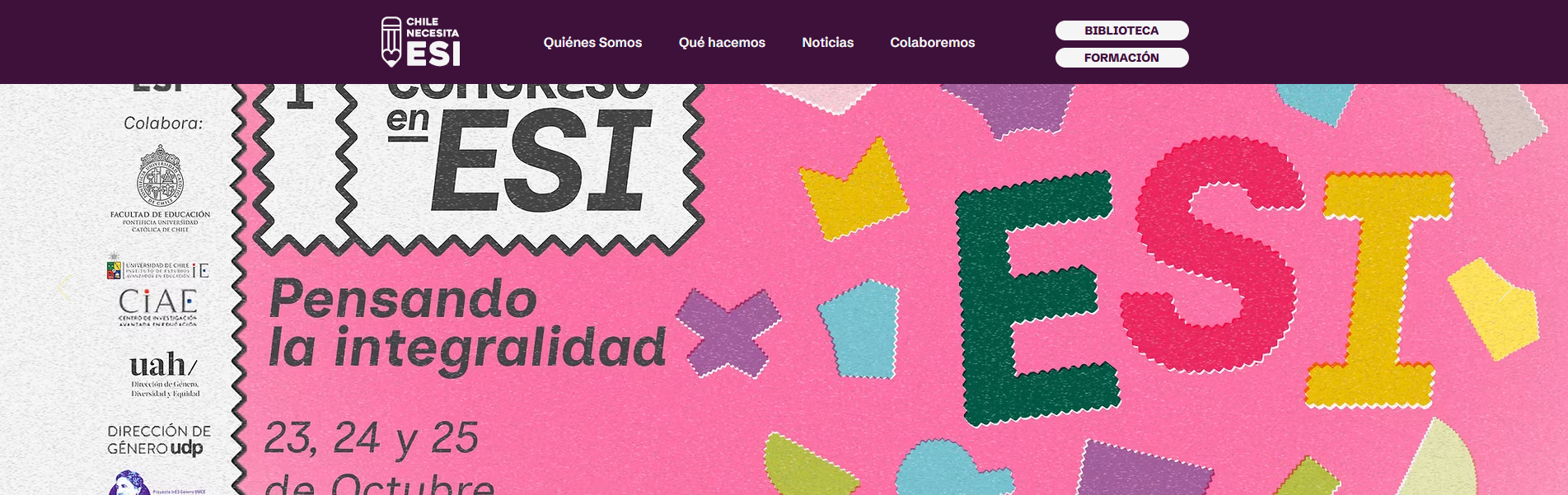
Screenshot from the Fundación Chile Necesita ESI website.

Based in Chile, the Fundación Chile Necesita ESI (Chile Needs Comprehensive Sexuality Education) works to curb online disinformation around sex education that has been growing since the introduction of the Educación Sexual Integral (ESI) teaching framework. Teachers implementing ESI reported having to defend their decision to do so from claims that the policy was promoting harmful agendas.

“On top of everything else, there is a much fiercer opposition and a growing entrenchment of false ideas about what comprehensive sex education is and what it aims to achieve,” says Agustín Ramos, Deputy Executive Director of the Fundación Chile Necesita ESI.

With the help of funding provided by DemocráTICa, the organisation was able to build their online platform and provide teachers with the necessary digital tools to communicate the benefits of ESI to parents and communities, reframing it as a rights-based, citizenship-building practice.

Interventions like this are vital as steps to preserving the digital civic space as both a space safe for civic activism, and reinforcing the strength and quality of the information underscoring our civic actions.

Programa de Periodismo Indígena y Ambiental
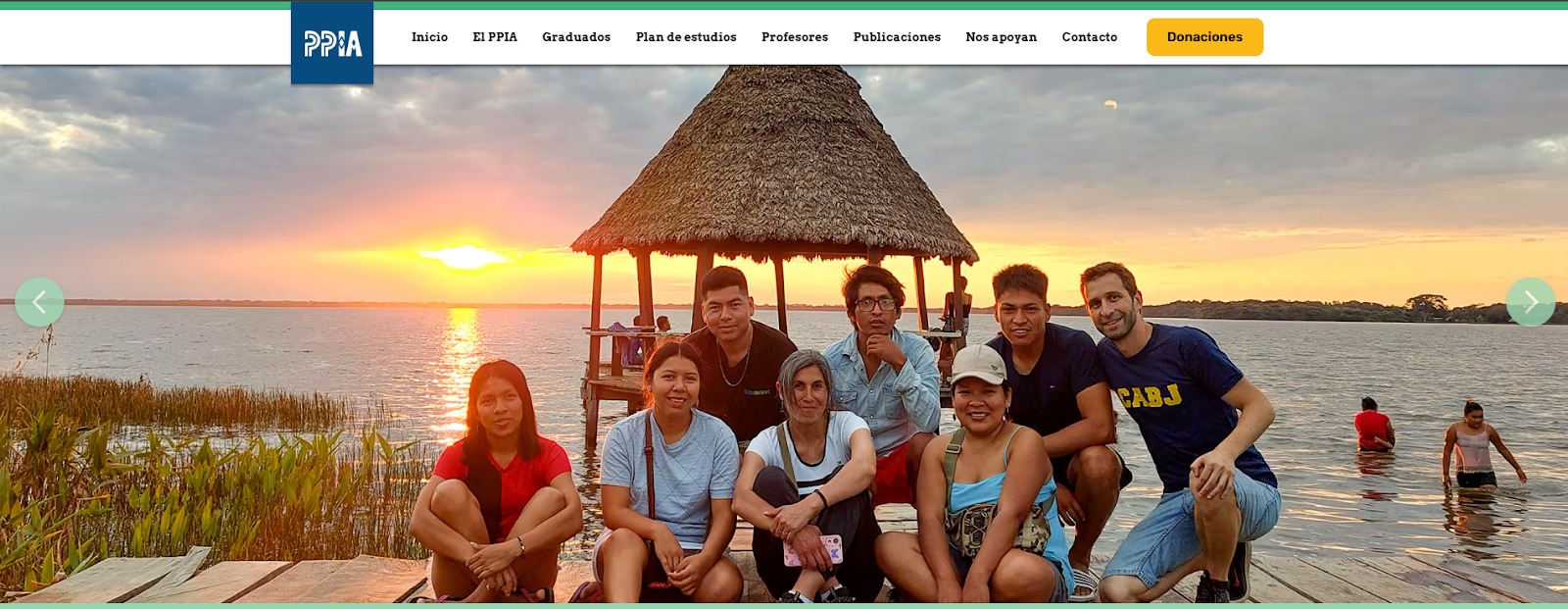
Screenshot from the Programa de Periodismo Indígena y Ambiental website.

"When the media chooses to serve the central government, the state, or corporations that affect Indigenous interests and rights – well, that is when we live through the worst of scenarios,” says Damián Andrada, Director of the Programa de Periodismo Indígena y Ambiental (Indigenous and Environmental Journalism Programme) in Bolivia.

When Indigenous communities appear in Bolivian mainstream media, it is often in the context of conflict, road blockades or economic loss – rarely spotlighting Indigenous stories as told by Indigenous voices. Partially funded by DemocráTICa, the Indigenous and Environmental Journalism Programme was established to train Indigenous and environmental communicators, incorporating journalism, Indigenous rights, and the rights of nature, into their teachings.

“This programme has allowed me to practice a journalism that knows the territory, that knows the struggle and resistance of its peoples,” says Juan Carlos Muy Varenas, a graduate of the programme.

Learn more

To learn more about DemocráTICa-funded initiatives, listen to their three-episode podcast series, Digital Democracy in Action. The DDISA Fund aims to bring similar support to Sub-Saharan African organisations, tailored to fit our regional context and specific needs. Stay tuned for updates on our projects, or apply to become a DDISA Fund grantee today!

Share this post:
Email iconTwitter icon

OpenUp and partners launched the DDISA Fund in March 2026, offering grants and support to civil society organisations driving digital democracy in Sub-Saharan Africa. Explore examples of projects from the global DDI network.

In March, OpenUp was proud to host the launch of the Digital Democracy Innovation in Sub-Saharan Africa (DDISA) Fund at our offices in Cape Town. The DDISA Fund is a timely initiative that offers both financial and non-financial support to civil society organisations pursuing digital democracy projects in Sub-Saharan Africa, aiming to forward technology that empowers and democratises.

The launch of the DDISA Fund was hosted at Codebridge, OpenUp's Cape Town offices, and featured a comprehensive overview presentation, as well as a collaborative discussion of what the project will entail.

The DDISA Fund includes a variety of financial support for three-month projects, which include:

  • 40 medium grants of R85,000 (about USD 4,700);
  • 60 small grants of R45,000 (about USD 2,500);
  • funding for subscriptions and events; and
  • emergency organisational funding.

These forms of financial support are given further leverage through a comprehensive non-financial support mechanism, which comprises data and technological hotdesk support, as well as organisational and community support. By combining the financial and non-financial resourcing, we will be able to provide meaningful acceleration to initiatives, in spite of the constrained time period.

DDISA in context

The DDISA Fund is the Sub-Saharan African arm of CIVICUS' Digital Democracy Initiative (DDI), implemented locally by OpenUp in collaboration with the Civic Tech Innovation Network (CTIN) and Wits Enterprise. The DDI is represented across seven major regions of the globe, including through partners in Latin America and the Middle East and North Africa (MENA).

Applications for the first cohort of the DDISA Fund close on 30 April 2026, after which successful applicants will be onboarded and assisted by the local implementing organisations. The second cohort will be open for applications around June this year.

Examples from Latin America

While the DDISA Fund projects are being set in motion, let’s take a look at some of the projects spearheaded by DemocráTICa – our Latin American sister organisation – as examples of impact from the broader DDI ecosystem.

Democracia Digital

Screenshot from the Democracia Digital website.

Democracia Digital is a think tank based in Lima, Peru, that explores the intersection between technology and democracy in Latin America, and is a specialist organisation within the DemocráTICa network. Peru’s most recent electoral season saw an immense increase in political polarisation stemming from online disinformation and reduced content moderation on major social media platforms.

"Today, we have generative artificial intelligence. We have deep fakes and audio fakes. Any user, any voter, could easily be deceived,” says Elaine Ford, Director of Democracia Digital.

In collaboration with DemocráTICa, the organisation launched a national network aimed at informing and equipping Peru’s 2.5 million first-time voters with the tools to identify and debunk AI-generated disinformation in the next electoral cycle. This network utilises social media channels to raise awareness against the spread of political disinformation, becoming an informative voice within the very spaces where disinformation is likely to flourish.

Fundación Chile Necesita ESI

Screenshot from the Fundación Chile Necesita ESI website.

Based in Chile, the Fundación Chile Necesita ESI (Chile Needs Comprehensive Sexuality Education) works to curb online disinformation around sex education that has been growing since the introduction of the Educación Sexual Integral (ESI) teaching framework. Teachers implementing ESI reported having to defend their decision to do so from claims that the policy was promoting harmful agendas.

“On top of everything else, there is a much fiercer opposition and a growing entrenchment of false ideas about what comprehensive sex education is and what it aims to achieve,” says Agustín Ramos, Deputy Executive Director of the Fundación Chile Necesita ESI.

With the help of funding provided by DemocráTICa, the organisation was able to build their online platform and provide teachers with the necessary digital tools to communicate the benefits of ESI to parents and communities, reframing it as a rights-based, citizenship-building practice.

Interventions like this are vital as steps to preserving the digital civic space as both a space safe for civic activism, and reinforcing the strength and quality of the information underscoring our civic actions.

Programa de Periodismo Indígena y Ambiental

Screenshot from the Programa de Periodismo Indígena y Ambiental website.

"When the media chooses to serve the central government, the state, or corporations that affect Indigenous interests and rights – well, that is when we live through the worst of scenarios,” says Damián Andrada, Director of the Programa de Periodismo Indígena y Ambiental (Indigenous and Environmental Journalism Programme) in Bolivia.

When Indigenous communities appear in Bolivian mainstream media, it is often in the context of conflict, road blockades or economic loss – rarely spotlighting Indigenous stories as told by Indigenous voices. Partially funded by DemocráTICa, the Indigenous and Environmental Journalism Programme was established to train Indigenous and environmental communicators, incorporating journalism, Indigenous rights, and the rights of nature, into their teachings.

“This programme has allowed me to practice a journalism that knows the territory, that knows the struggle and resistance of its peoples,” says Juan Carlos Muy Varenas, a graduate of the programme.

Learn more

To learn more about DemocráTICa-funded initiatives, listen to their three-episode podcast series, Digital Democracy in Action. The DDISA Fund aims to bring similar support to Sub-Saharan African organisations, tailored to fit our regional context and specific needs. Stay tuned for updates on our projects, or apply to become a DDISA Fund grantee today!